
Docker port is already allocated
Docker port is already allocated? Identify the process or container bound to the host port, then choose a targeted stop or a different published port. This source-reviewed guide keeps the next action tied to the evidence you can collect safely.
Capture the exact symptom and scope first
Docker port is already allocated? Identify the process or container bound to the host port, then choose a targeted stop or a different published port.
- Record the exact visible error and timestamp.
- Check whether one target or several are affected.
- Preserve the relevant log, response or configuration state.
- Choose the next action only after identifying the affected layer.
Why this branch first: The exact message, timestamp and scope identify the next diagnostic layer more safely than broad resets or deletes.
Choose a local-first diagnostic tool
Use a TroubleByte tool to inspect an error, DNS record or local system context before changing settings.
TroubleByte diagnostic path
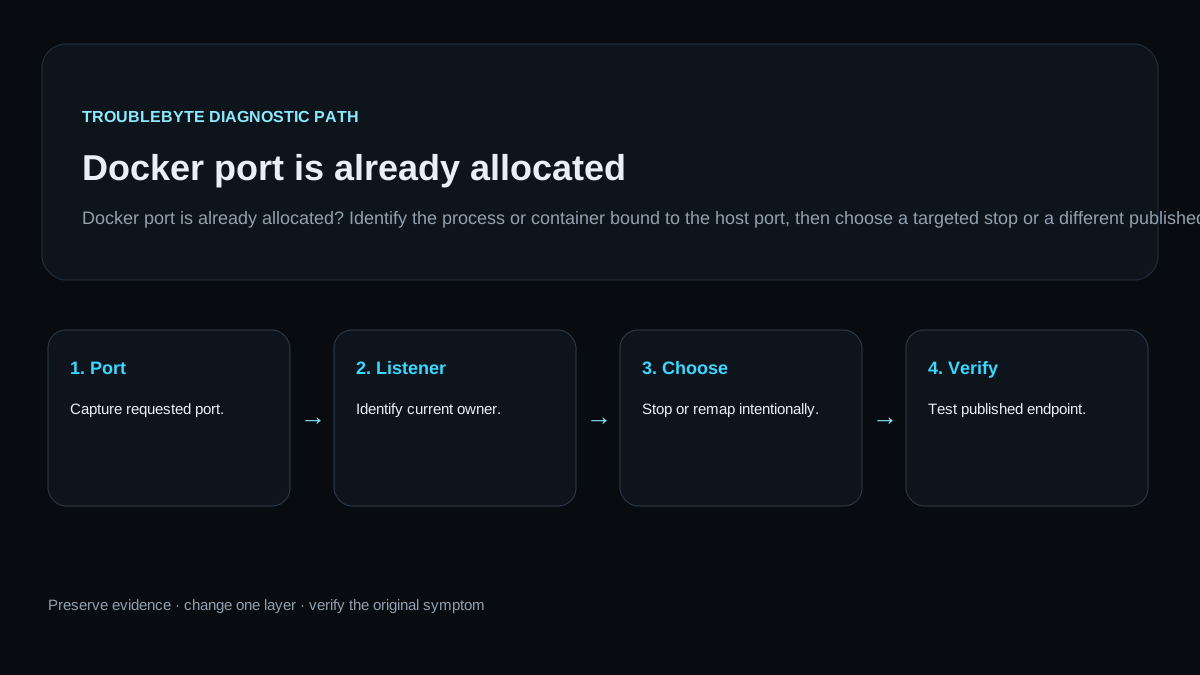
Capture requested port.
Identify current owner.
Stop or remap intentionally.
Test published endpoint.
Original TroubleByte diagnostic map. It summarizes the cited troubleshooting order; it is not a vendor screenshot.
Use the symptom to choose the next branch
Does the evidence point to one affected target rather than a wider platform, host or network failure?
Keep the correction narrow and verify it once.
Stop isolated changes and investigate the shared layer first.
Do you have the exact message, timestamp and relevant log or response evidence?
Follow the scoped diagnostic path.
Capture it before resets, deletes or broad configuration changes.
Original TroubleByte decision aid derived from the cited troubleshooting scope. It does not replace vendor documentation.
What this usually means
This error means the host cannot bind the requested port. The holder might be another application, another container or a previous container that did not stop as expected. It is not evidence that the image or application inside the new container is faulty.
What we verified from the source material
This error means the host cannot bind the requested port. The holder might be another application, another container or a previous container that did not stop as expected. It is not evidence that the image or application inside the new container is faulty.
Prerequisites and checks
Prepare first
- Do not stop unknown production services just to free a port.
- Do not change internal container ports when only the host mapping conflicts.
- Avoid broad resets, deletes or configuration changes until the affected scope is confirmed.
Checks that prevent the wrong fix
- Record the host port and exact bind error.
- Identify the current process or container listening on that port.
- Check whether the port mapping is expected to overlap.
Applies to
Solutions, in order
Capture the exact symptom and scope first
- Record the exact visible error and timestamp.
- Check whether one target or several are affected.
- Preserve the relevant log, response or configuration state.
- Choose the next action only after identifying the affected layer.
Why this can work: The exact message, timestamp and scope identify the next diagnostic layer more safely than broad resets or deletes.
Resolve the host-port conflict without changing unrelated services
- Identify the requested host port.
- Find the current listener or container binding it.
- Decide whether the existing service should remain or the new mapping should change.
- Start once and verify the published endpoint.
Why this can work: Apply a narrow correction that follows the observed evidence, then verify the original symptom is gone.
How to know the fix actually worked
- Confirm the chosen port is free or the intended service is stopped.
- Start the container once and verify its published endpoint.
Do not count a temporary disappearance of the symptom as a confirmed fix if the problem normally returns after a restart, reconnect or several minutes of use.
When not to keep changing things
- If the port belongs to an unknown or critical service, stop and establish ownership before changing it.
Escalation: Escalate with the exact message, timestamp, affected scope and the checks already completed.
Sources used for this record
Primary · checked Sep 26, 2026Docker — Troubleshoot topics for Docker DesktopOfficial documentation used to verify scoped troubleshooting guidance.Corroborating · checked Sep 26, 2026Docker — Bind mountsOfficial documentation used to verify scoped troubleshooting guidance.Discuss this exact problem
Share what happened on your system, ask a focused follow-up question, or add evidence that may help someone with the same symptom. Community posts are separate from TroubleByte editorial verification.
Start a discussion
Revision history
Show 1 recorded revision
2026-09-26 — Created from current official documentation with scoped decisions, explicit stop conditions and an original TroubleByte diagnostic diagram.